In-scene advertising is an approach that digitally inserts a marketing element into video content after render is complete.
It is commonly used in films, TV series, YouTube content, and even music videos.
It eliminates the need for products to be physically on set, giving both the content creator and the advertiser more control over the advertisement.
The in-scene advertising element can be edited multiple times. For example, the same scene can be shown to a viewer in New York with different brands than to a viewer in Istanbul. This reduces the cost of the advertisement and makes it data-effective.
It benefits all three stakeholders:
- The content owner earns more revenue,
- The viewer experiences an uninterrupted and non-disruptive viewing experience,
- The brand gains visibility in a way that is consistent with the natural flow of the content.
Why have in-scene ads become widespread, and what are their advantages?
Regardless of the medium, viewers either skip intrusive ads or disable them entirely using ad blockers.
Viewers have developed a kind of ad blindness, becoming desensitized to television commercials or classic digital formats that interrupt the video.
Because people dislike interruptions while watching a video, advertisers began looking for ways to embed their message within the natural flow, and one of the results was in-scene ads.
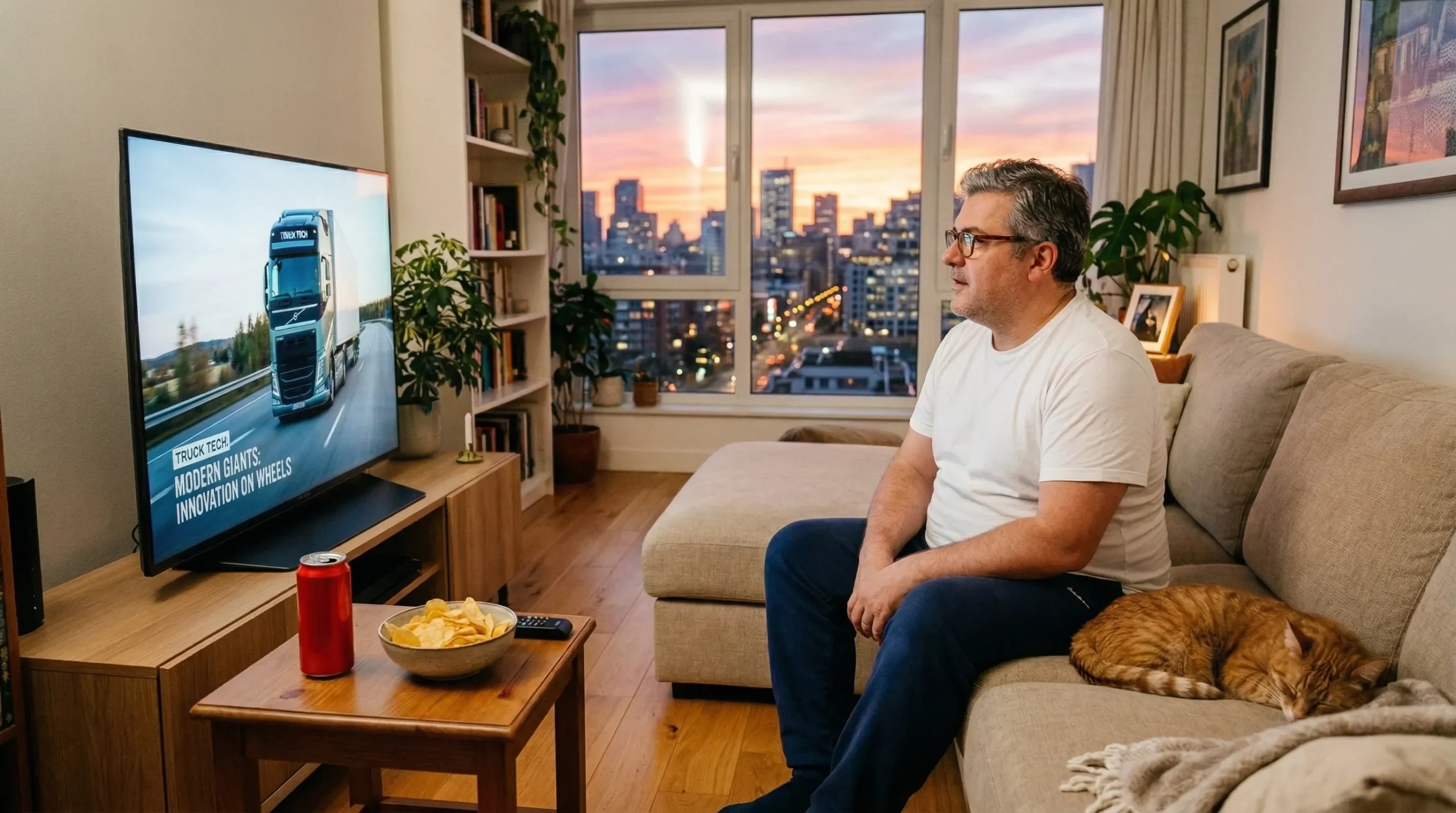
Ads are placed in the video in such a way that the viewer doesn’t notice them while consuming the content, seeing them as if they were an original part of the scene.
In-scene ads allow the same scene to be presented to viewers in different regions with different brands.
Content is created once and the same content can be updated with different brands at different times, continuously generating revenue.
Brands can clearly measure the ad’s visibility time, and when the campaign ends, the ad can be digitally removed from the scene or replaced with another brand.
Ads that harmonize with the story flow
While classic digital ads look like patches on top of the content, in-scene ads behave like a natural part of the story.
Advanced VFX allow for adjustments to lighting, shadow, color and perspective, ensuring the ad perfectly matches the content.
In-scene ads don’t distract the viewer from the video and redirect them to another screen/media; they flow seamlessly with the content.
They transform the ad from a jarring detail into something present within the context of the scene.
How will in-scene ads change traditional digital advertising?
Videos are no longer static content anymore, they are transforming into constantly active advertising spaces that can be updated over time.
Non-intrusive ads which don’t interrupt the viewing experience, are becoming much more easily accepted by viewers.
Previously, ads were fixed at when creating the film and the video was rendered that way.
In-scene ads allow you to fill empty spaces digitally in a video; such as walls, street signs, billboards or screens; even after the video has been released.
The biggest advantage of this transformation is that ads can be added to videos after render is complete.
Thus, video advertising will begin to move away from the classic model of cutting content and showing ads.
On YouTube and similar platforms placing ads in specific parts of the video without changing the video’s permanent link is a great opportunity.
Without changing the video itself, in-scene ad units can be updated according to the interests or locations of different viewers.
Brands will be able to change, update, or adapt their ads to different audiences whenever they want.
This new trend, where video itself becomes an advertising medium, will be the standard advertising model both on streaming platforms and user-centric video networks.
What are the differences between native and in-scene ads?
Both ad types aim to avoid disrupting the user experience and are often confused with each other.
The working principles and areas of application of the two models are completely different.
Native ads are ads prepared to adapt to the overall content format and aesthetics of the platform on which they are published.
Examples include
- “sponsored articles” on news websites,
- “branded content” in blog posts and
- “sponsored content” in social media feeds.
The ad is similar to the platform’s content format; however, it exists as a separate “unit” from the content.
In-scene ads are placed directly into the visual texture of the video content.
Examples include;
- a billboard or poster in a movie scene,
- a cafe menu appearing in a TV series or
- a painting or event poster added to a blank wall in a YouTube video.
The ad adapts to the visual reality of the scene (light, shadow, perspective), not the platform format.
| Feature | Native ad | In-scene ad |
|---|---|---|
| Positioning | Different content in content flow | Positioned a physical element in the video |
| Visual harmony | Suitabled with platforms visual details such as type face, layout and style | Suitabled with scene’s light, depth and visual world of the story. |
| Labelling | Especially labelled by “sponsored content” or “advertisement” | It is part of the story; it flows with the scene without interrupting the viewing experience. |
| Experience | User consume ad like a content. | The viewer “sees” the advertisement as a natural part of the scene. |
The future of in-scene advertising
AI agents automatically detect empty walls, billboards or screens in videos, speeding up the ad placement process and reducing ad development costs.
Thousands of pieces of content on streaming platforms will be able to generate advertising revenue again, even years later, thanks to this technology.
Due to the confusion created by seeing ads everywhere, showing too many ads is “out,” and fewer but more impactful native ads are “in.”
In-scene advertising is poised to become the new hero of the advertising world, taking on the task of positioning the brand correctly without disturbing the viewer…
Referances and further links…
- Ads you can’t skip: What is virtual product placement and …
- How in-scene media is outperforming traditional ads
- Realizing the potential of enhanced in-scene
- A leading beauty brand’s triumph with enhanced in-scene advertising
- 5 Creative best practices for in-content advertising
- The power of product placements in gaming: Tapping into the virtual world
- The ins and outs of virtual product placement
- Virtual product placement: AI that seamlessly integrates brands into existing footage